








Contractor Financing Options | How to Pay for a Renovation (2026)
The main contractor financing options are home equity loans, HELOCs, cash-out refinances, personal loans, credit cards, renovation mortgages like the FHA 203k, and contractor-arranged financing. Equity-based options offer the lowest rates but use your…

Change Orders Explained | What They Are and How to Handle Them (2026)
A change order is a written agreement that modifies your construction contract’s scope, cost, or timeline after it is signed. They happen when you request a change or the crew uncovers a hidden problem. Change orders typically add markup on top of…

How to Negotiate With a Contractor (Without Sacrificing Quality) (2026)
To negotiate with a contractor, start with a clear scope and get three to four itemized bids priced on the same work. Then negotiate value, not just price, by adjusting scope, materials, timing, and payment terms rather than demanding a blanket discount.…

Hidden Costs of Hiring a Contractor (What Estimates Leave Out) (2026)
The hidden costs of hiring a contractor are the real expenses that estimates often leave out: permits, a contingency fund for surprises, allowance overages, change orders, debris removal, and relocation during the work. Together they can add 20% or more…

Contractor Deposit: How Much Should You Pay Upfront? (2026)
A normal contractor deposit is 10% to 25% of the total contract price. It secures your spot on the schedule and covers the first round of materials. Many states cap deposits, and California limits them to 10% or $1,000, whichever is less. A demand for…

Why Are Contractor Bids So Different? (How to Compare Fairly) (2026)
Contractor bids differ because they are rarely pricing the same job. Differences in scope, material grade, labor, overhead, and what each contractor excludes can swing a bid by thousands. A cheaper bid often leaves out permits, cleanup, or quality…
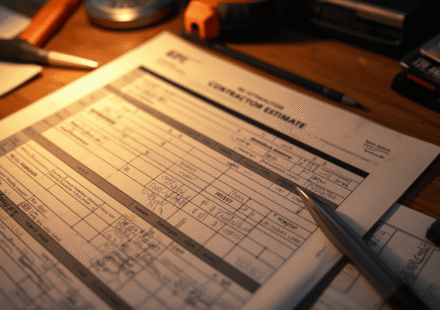
How to Read a Contractor Estimate Line by Line (2026)
To read a contractor estimate, look past the total and check the line items one by one. A solid estimate spells out the scope of work, materials by brand and grade, labor, permits, allowances, exclusions, a payment schedule, and a timeline. The most…

What Is a Contractor Allowance? (And How to Avoid Overages) (2026)
A contractor allowance is a budgeted placeholder for a material or finish you have not chosen yet, like tile, cabinets, or fixtures. If your final selection costs more than the allowance, you pay the difference. If it costs less, you get a credit.…

How Contractor Payment Schedules Work (Deposit to Final Payment) (2026)
A contractor payment schedule ties each payment to verified progress rather than the calendar. A common residential structure is a 10% deposit, then draws of about 30% after demolition and rough work, 30% after cabinets and fixtures, 20% at finish, and a…

Cost-Plus vs Fixed-Price Contracts: Which Is Better? 2026
A fixed-price contract sets one total price and puts the risk of overruns on the contractor, giving you budget certainty. A cost-plus contract charges actual costs plus a fee, giving you transparency but exposing you to rising costs. Fixed price suits…