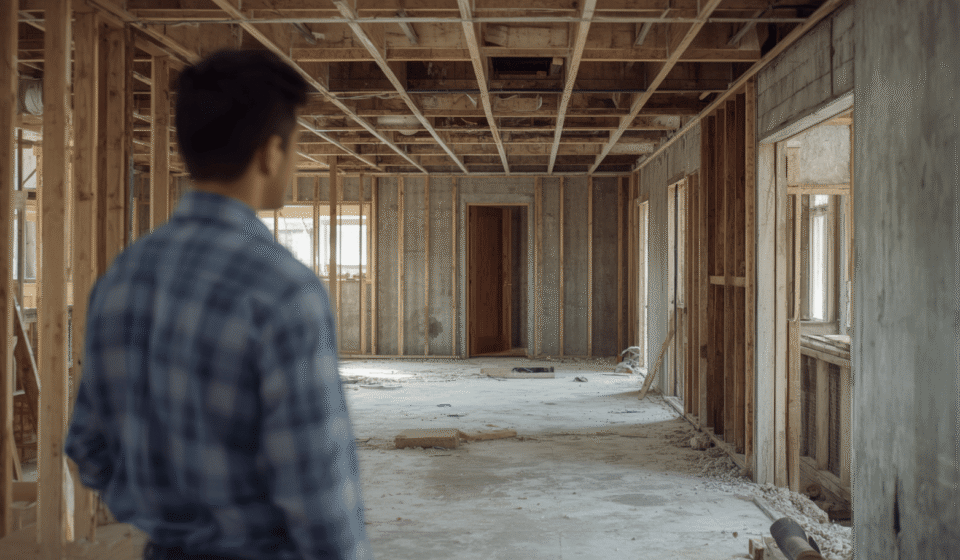

If your contractor disappears mid-project, take these steps in order: stop all remaining payments immediately, document everything with timestamped photos and written records, attempt contact in writing via certified mail, review your written contract for abandonment and termination clauses, file a complaint with your state licensing board, contact the contractor’s insurance company and surety bond provider, check for mechanics lien notices from unpaid subcontractors, and consult a construction attorney before hiring a replacement. Do not hire a replacement contractor until you have documented the unfinished work and understood your legal position.
TL;DR: Key Takeaways
- According to Ansbacher Law (March 2026), the steps you take in the first days after contractor abandonment have a significant influence on the outcome of any dispute. Do not react emotionally or hire a replacement immediately
- The average length of time to settle a contract dispute in the U.S. was 16.7 months as of the most recent available data (Minnesota Construction Law Services, 2025). Acting methodically protects your options for the entire duration
- Not every delay is contractor abandonment. Contractor abandonment laws in Florida and most states require a pattern of conduct for legal abandonment: work stops with no explanation and the contractor becomes unresponsive to repeated contact attempts
- Contractor deposit rules in California limit contractor deposits to 10% of project cost or $1,000, whichever is less, under Cal. Bus. and Prof. Code 7159. Exceeding that limit in a deposit is itself a violation worth filing on
- Unpaid subcontractors can file a mechanics lien against your property even if you paid the general contractor in full. This is one of the most financially damaging consequences of contractor abandonment and it requires immediate attention
- Contractor accountability flows through the licensing board faster than civil courts. Licensed contractor abandonment carries specific consequences. A complaint filed with the Contractors State License Board (CSLB) in California or its equivalent in your state can result in license suspension and often compels a contractor to respond
Table of Contents
- Is Your Contractor Actually Gone? Abandonment vs. Delay
- Step 1: Stop All Payments Immediately
- Step 2: Document Everything Before You Touch Anything
- Step 3: Attempt Written Contact via Certified Mail
- Step 4: Review Your Written Contract Carefully
- Step 5: File a Complaint With the State Licensing Board
- Step 6: Contact the Insurance Company and Surety Bond Provider
- Step 7: Watch for Mechanics Lien Notices
- Step 8: Consult a Construction Attorney Before Hiring a Replacement
- How to Find a Replacement Contractor After Abandonment
- Frequently Asked Questions
Introduction
One day the crew is on-site and the work is moving. Then it slows. Then a day passes without anyone showing up. Then two days. Calls go to voicemail. Texts go unread. The job site sits quiet with materials exposed, creating an abandoned construction project scenario where job site security becomes a concern along with work half-finished and no explanation.
Contractor vanished mid-project. A contractor left job unfinished. A missing contractor situation. A contractor abandoned renovation. A contractor no longer responding to calls. A contractor stopped showing up. What if contractor abandons your project? What to do when contractor stops working? A contractor disappeared with my money. A contractor disappears before finishing.
These are all variations of the same problem, and this guide addresses all of them with the same eight-step framework.
Contractor abandonment is more common than most homeowners expect, and according to Ansbacher Law, it can be financially devastating if not handled correctly from the start. What happens in the first 48 to 72 hours after a contractor disappears mid-project matters more than almost anything else in determining your legal and financial outcome.
This guide covers the eight steps to take when your contractor stops showing up, in the order that protects you most. It also explains the distinction between a delay and contractor abandonment, what your legal options are, and how to approach hiring a replacement without making your situation worse. Construction fraud prevention starts at the hiring stage. For broader guidance on how to hire a general contractor and the vetting process that prevents this situation, see the Complete Guide to Hiring a General Contractor.
1. Is Your Contractor Actually Gone? Abandonment vs. Delay
Not every construction timeline delay is contractor abandonment. This distinction matters legally and strategically.
According to Wyman Legal Solutions, in Florida and most states, contractor abandonment legally requires a pattern of conduct: work stops for an extended period with no explanation and the contractor stops responding to calls or emails. A contractor who misses a day because of a subcontractor scheduling issue, a material delivery delay, or a family emergency is not legally abandoning the project.
The contractor recovery fund concept, of which the Minnesota Contractor Recovery Fund is one example, total payout for all claims against a single contractor is capped at $550,000 and payments are released only twice a year. According to Minnesota Construction Law Services, before taking action you should make a good-faith effort to contact your contractor through various methods including email, phone, and physical letter, and document all attempts in case of legal action. Be patient for a reasonable amount of time. A contractor may have supply chain issues preventing project completion that they have not communicated clearly.
The line between delay and contractor abandonment typically becomes clear when the contractor remains completely unresponsive over several business days, has no visible presence on the job site or in any communication channel, and when equipment and materials have been removed without explanation. At that point, proceed through the steps below.
2. Step 1: Stop All Payments Immediately
If your contractor has disappeared or stopped working without notice, stop all remaining payments immediately. Do not release any scheduled milestone payments, do not pay any invoices that may arrive, and do not make any wire transfers or cash payments regardless of prior agreements.
According to AX Development, if the general contractor was not making subcontractor payment to the trades, a mechanics lien can be filed against your property even after you have already paid the contractor. Releasing additional funds before documenting the abandonment and your outstanding balance weakens your recovery position and increases your financial exposure.
If you have already paid more than the work completed justifies, this contractor payment dispute becomes a central part of your legal case. Document the payment schedule in your contract alongside the current stage of project completion so you can calculate the financial gap.
3. Step 2: Document Everything Before You Touch Anything
Project documentation is the foundation of every legal and financial recovery option available to you. Before anything is moved, cleaned up, or repaired, document the current state of the job site in full detail.
The contractor recovery fund concept, of which the Minnesota Contractor Recovery Fund is one example, total payout for all claims against a single contractor is capped at $550,000 and payments are released only twice a year. According to Minnesota Construction Law Services, gather facts: contracts, change orders, proof of payments, photos, inspection cards, permit records, emails and texts. These project records are your case file. This is your case file. Everything in it matters.
Specifically, document:
- Timestamped photographs of every area of the job site showing current condition
- The state of all materials on site, both installed and uninstalled
- Any visible construction defect claim or incomplete work visible at the time of abandonment
- All written communications with the contractor including texts, emails, and voicemail records
- All payment records with dates, amounts, and what each payment was designated for
- Permit records and current permit status through your local building department
- Names and contact information for any subcontractors you have seen on site
Do not discard any documents related to the project. According to Wood Litigation APC, in California, collect every related document including contracts, receipts, emails, texts, and photos of the work done. The same principle applies in every state.
4. Step 3: Attempt Written Contact via Certified Mail
Before taking any formal legal action, you need a documented record showing that you made reasonable attempts to contact the contractor and gave them an opportunity to respond.
Send a formal written notice to the contractor’s address of record via certified mail with return receipt requested. The letter should state the date work stopped, a summary of the outstanding scope of work not yet completed, the amount of money paid versus work completed, a deadline for response, and a statement that you will pursue all available legal remedies if they do not respond by that date.
Keep the return receipt and a copy of the letter as part of your project documentation. This notice of default establishes a clear paper trail that protects your position if the situation escalates to arbitration, mediation, or litigation. It also prevents a contractor from later claiming they were not aware of the dispute.
5. Step 4: Review Your Written Contract Carefully
Your written contract is the governing document for the entire legal situation. Review it line by line before taking any action that could affect your contractual position.
The contractor recovery fund concept, of which the Minnesota Contractor Recovery Fund is one example, total payout for all claims against a single contractor is capped at $550,000 and payments are released only twice a year. According to Minnesota Construction Law Services, look for language that addresses work stoppages, abandonment, notice periods, and other terms of communication. Also review the payment terms to ensure you have not inadvertently breached the contract yourself.
Key contract provisions to review:
- The payment schedule: did you pay more than what was earned based on project completion milestones?
- The abandonment clause: what constitutes abandonment under the contract terms?
- The termination rights: what steps must you take before terminating the contract?
- The dispute resolution clause: does the contract require mediation or arbitration before litigation?
- The notice requirements: how must formal notices be delivered under the contract?
According to Wyman Legal Solutions, one of the most common mistakes homeowners make is terminating the contract too quickly without understanding their termination rights under state renovation law. This renovation dispute must be handled through the proper legal channels. A short conversation with a construction attorney before sending termination notices can help preserve options and avoid unintended consequences.
If you do not have a written contract because the contractor worked without one, this weakens your legal position but does not eliminate it. Document what you agreed to verbally, gather all written evidence of the arrangement, and consult a construction attorney about your options under your state’s contractor licensing laws.
For why the absence of a written contract is a major contractor red flag in the first place, see Red Flags When Hiring a Contractor: 15 Warning Signs.
6. Step 5: File a Complaint With the State Licensing Board
Knowing how to file contractor complaint correctly with your state licensing board is often faster and more effective than civil litigation, and it should happen before you file anything else.
State licensing boards, including the Contractors State License Board (CSLB) in California and the Oregon Construction Contractors Board (CCB), have the authority to suspend or revoke a contractor’s license, compel responses to complaints, and in some cases order the contractor to return funds. The contractor license is the lever that gives the board this power. This enforcement power frequently produces faster responses from contractors than a small claims filing or a demand letter from an attorney alone.
The licensing board complaint process typically requires:
- Your name, property address, and contact information
- The contractor’s name, license number, and business address
- A description of the work contracted and the work completed
- A timeline of events including when work stopped and what contact you have attempted
- Copies of the contract, payment records, and relevant communications
The Better Business Bureau (BBB) complaint is a separate step and worth filing in addition to the licensing board complaint. BBB complaints are publicly visible and often motivate contractors to respond more quickly than private legal notices.
7. Step 6: Contact the Insurance Company and Surety Bond Provider
If your contractor carried general liability insurance and a contractor surety bond, both are potential sources of financial recovery depending on how the situation is classified.
Request the contractor insurance and bond information from the Certificate of Insurance (COI) they provided at the start of the project. Contact both the insurance carrier and the bond provider directly, explain the situation, and ask about your options for filing a claim. The contractor’s insurance carrier may cover property damage that occurred during the abandoned project. A contractor bond claim is how you access this protection. The surety bond exists specifically to compensate you if the contractor fails to complete the work or fails to pay subcontractors.
According to JustAnswer Legal (Oregon guidance), if the contractor was bonded, that bond exists specifically for situations like yours and can be an important path to financial recovery alongside a licensing board complaint.
For guidance on verifying these credentials before a project starts, see How to Verify a Contractor’s License and Insurance.
8. Step 7: Watch for Mechanics Lien Notices
This is the step most homeowners overlook, and it can be the most financially damaging if ignored.
When a general contractor disappears mid-project, subcontractors who were not paid for their work can file a mechanics lien against your property. A mechanics lien is a legal claim that attaches to your home’s title, which means you cannot sell or refinance the property until it is resolved. This can happen even if you paid the general contractor in full for work those subcontractors performed.
According to AX Development, if subcontractors were not paid, regardless of whether you already paid the contractor, they can file a lien against your property. The contractor recovery fund concept, of which the Minnesota Contractor Recovery Fund is one example, total payout for all claims against a single contractor is capped at $550,000 and payments are released only twice a year. According to Minnesota Construction Law Services, that can mean homeowners risk paying twice if money did not flow down from the general contractor to the trades.
If you receive a lien notice, contact a construction attorney immediately. Lien deadlines are strict and vary by state. Missing them can eliminate valid defenses.
Steps to take if you receive a lien notice:
- Do not ignore it. Lien rights have legal deadlines that work against you
- Contact a construction attorney before responding
- Request a lien waiver from the subcontractor in exchange for direct payment if the general contractor is unreachable and the subcontractor’s claim is legitimate
- Consider a mechanics lien bond, which substitutes a financial instrument for the lien on the title while the dispute is resolved
9. Step 8: Consult a Construction Attorney Before Hiring a Replacement
Hiring a replacement contractor before you have legal clarity on the original contract is one of the most common and costly mistakes in contractor abandonment situations.
According to Ayala Law PA and Wyman Legal Solutions, you should send a formal notice of default and give an opportunity to cure if the contract requires it before bringing in a new contractor. In a Florida construction dispute, hiring a replacement without properly addressing the original contractor’s breach can come back to create additional legal liability.
A construction attorney focused on financial recovery contractor disputes require careful documentation. An attorney can help you calculate the cost of completion damages you are entitled to under breach of contract law. According to Oregon contract law guidance from JustAnswer Legal, you can pursue legal action to recover the difference between what you paid the original contractor and the actual cost incurred to have the work completed by another party, known as cost of completion damages.
Your legal options depending on the amount at stake:
| Recovery Option | Best When | Timeline |
|---|---|---|
| State licensing board complaint | Always, as a first step | Weeks to months |
| Surety bond claim | Contractor carried a bond | Weeks to months |
| Small claims court | Dispute under your state’s small claims limit ($5,000-$25,000) | 3-6 months |
| Mediation | Contract requires it, or both parties willing | 1-3 months |
| Arbitration | Contract requires it | 3-12 months |
| Civil litigation | Large claims, unresponsive contractor | 12-24+ months |
10. How to Find a Replacement Contractor After Abandonment
Once you have documented the unfinished work, contacted the licensing board, and received legal guidance, you can begin looking for a replacement contractor. Hiring a replacement for an abandoned renovation project requires more diligence than a fresh project.
The contractor recovery fund concept, of which the Minnesota Contractor Recovery Fund is one example, total payout for all claims against a single contractor is capped at $550,000 and payments are released only twice a year. According to Minnesota Construction Law Services, a replacement contractor should re-scope the project based on what physically exists today, not what was promised. They should re-estimate materials and labor at current prices, inspect and photograph all existing work, limit their warranty to their own work only, and use milestone payments tied to verified progress.
Key steps for finding a replacement contractor:
- Get an independent inspection of the current state of work before any replacement contractor begins
- Ensure any replacement contractor verifies the permit status and confirms that building permit transfer is completed and permits are reissued in their name
- Do not rely on the original contractor’s material estimates or plans without independent verification
- Use a detailed written contract with clear milestone payments and a change order policy before work begins
- Verify the replacement contractor’s license and insurance independently before signing anything
Homeowner due diligence in selecting a replacement is critical. For the full process of vetting a new contractor, see How to Check Contractor References the Right Way and 25+ Questions to Ask a General Contractor Before Hiring.
Frequently Asked Questions
What do I do if my contractor disappears and has my money?
Stop all remaining payments immediately, document the current state of the job site with timestamped photos and all written records, send a formal certified letter to the contractor’s address of record, and file a complaint with your state contractor licensing board. The licensing board can act faster than civil courts and often compels a response. If the contractor was bonded, contact the surety bond provider directly. Consult a construction attorney before taking further action.
Can I sue a contractor who disappeared?
Yes. Contractor breach of contract is the basis for your claim. Contractor abandonment is typically a breach of contract, and you can sue to recover cost of completion damages, which is the difference between what you paid and what it actually costs to have another contractor finish the work. You can also pursue claims through your state licensing board, the contractor’s surety bond, and in some cases through small claims court if the amount is within your state’s limit. The average contract dispute takes 16.7 months to settle, so acting methodically from the start is important.
Can subcontractors put a lien on my home if the contractor did not pay them?
Yes. Mechanics lien laws in most states allow subcontractors and material suppliers to file a lien against your property for unpaid work, even if you paid the general contractor in full for that work. This is one of the most financially damaging consequences of contractor abandonment because it attaches to your property title and prevents sale or refinancing until resolved. If you receive a lien notice, contact a construction attorney immediately as deadlines are strict.
Do I need a lawyer if my contractor abandons my project?
Not necessarily for the initial steps, but yes before you terminate the contract, hire a replacement, or file a civil lawsuit. According to Wyman Legal Solutions, a short conversation with a construction attorney before sending termination notices or withholding payment can help preserve options and avoid unintended consequences. If a mechanics lien has been filed, legal representation is strongly recommended as lien law is complex and deadline-driven.
How do I find a replacement contractor after abandonment?
Start by getting an independent inspection of all work completed so far. Then use the same vetting process you would for any general contractor: personal referrals, vetted platforms, license verification through your state board, insurance confirmation, and references from recent projects. The replacement contractor must re-scope based on current site conditions, confirm permit status, and work under a new written contract with milestone-tied payments. See How to Find a Good General Contractor Near You for the full process.
Conclusion
Construction project abandonment and contractor abandonment are treated the same under most state laws. Contractor fraud and contractor scam situations overlap significantly. Renovation legal recourse is available through licensing boards, surety bonds, and civil courts. Contractor abandonment is a serious situation but a manageable one if you act methodically. The homeowners who recover most effectively are the ones who stop payments immediately, document everything before touching anything, and pursue the state licensing board complaint before resorting to litigation. Homeowner legal protection and homeowner rights are enforceable through these channels. The legal system exists to support you in this situation. Your job is to build the documentation that lets those protections work.
Avoid the two most common mistakes: hiring a replacement contractor too quickly without legal clarity, and ignoring lien notices from subcontractors who were not paid. Both can significantly increase your total financial loss.
For a complete picture of how to protect yourself before a project starts rather than after it goes wrong, return to the Complete Guide to Hiring a General Contractor. And to understand the warning signs that predict abandonment before it happens, see Red Flags When Hiring a Contractor: 15 Warning Signs.